
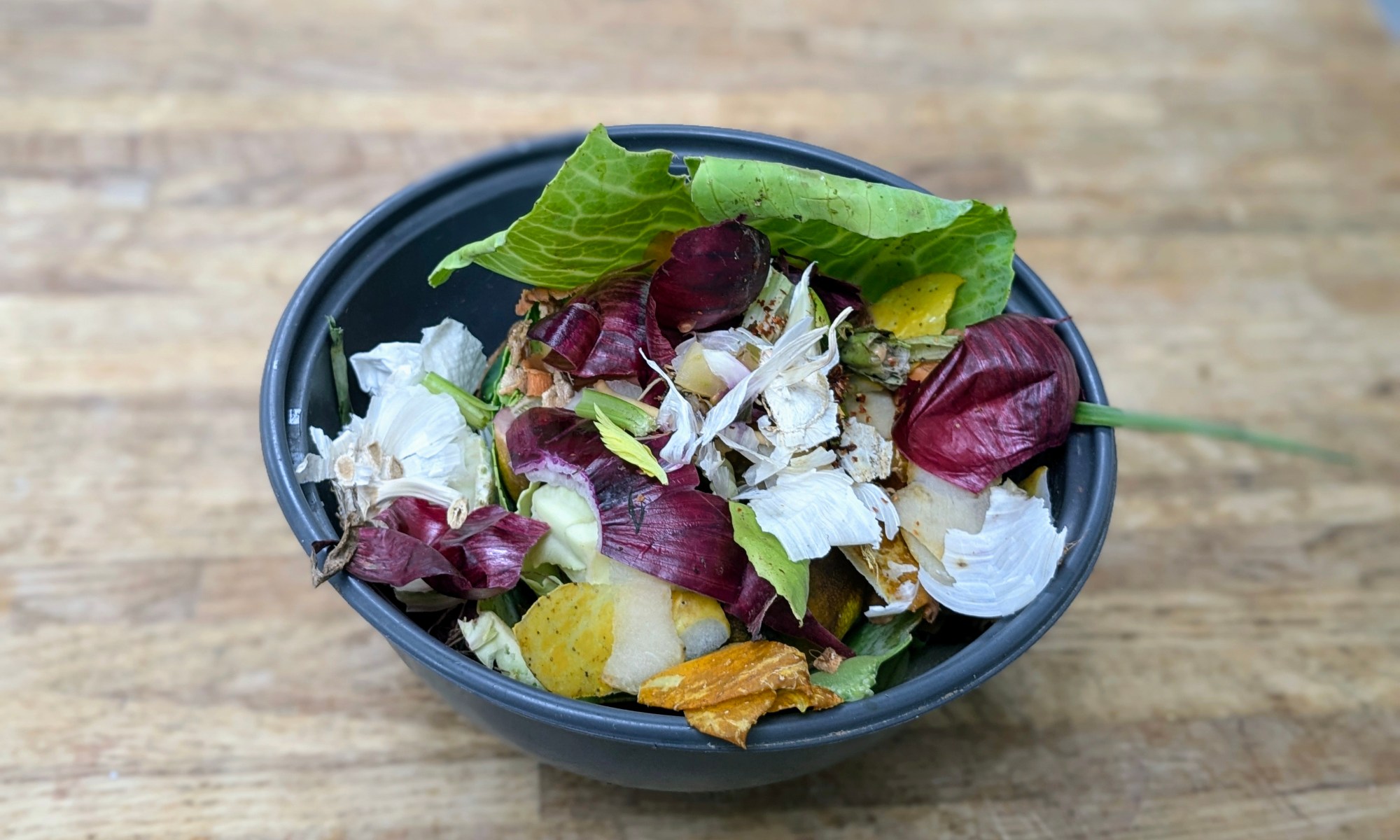
Food waste seems to generate a lot of enthusiasm and action, and yet it is still a huge issue. The UK still wastes over 10 million tonnes of food a year, which could have been sold and eaten. Clearly, this is a problem we have yet to fix. But there are new suggestions for how to do so, as we covered recently in a programme I made for Radio 4’s The Food Programme. Here are three possible solutions we came across.
Fridges could solve food waste
Could they? That’s what Emma Atkins, food waste and fridge PhD researcher, believes. She joined presenter Leyla Kazim in her home for a ‘fridge session’, to identify food waste hotspots and see what was lurking in forgotten corners. Emma’s PhD research has taken her through fridge history, including the fact that, since its invention in the 1920s by General Electric, the fridge has always been a box shape. Not only that, she believes its static design and deep shelves have contributed to the fact you can’t always see what food you have in there. And it’s that lack of visibility which leads us to waste food, leading Emma to suggest that a fridge redesign, perhaps with in-built revolving shelves or other food waste prevention hacks, could be a revolution in food waste in the home. Not that it’s all down to people to solve the food waste issue – Emma was quick to point out that it’s the system, not the individual, which is responsible. We might be able to reorganise our fridge or learn a new leftovers recipe. But there is less we can do about supermarkets selling multi-buys or large pack sizes, which fill up our fridges and encourage over-buying and ultimately more food waste.
A bolt-on business
In Faversham, Kent, Katy Newton has come up with a concept that feels a lot more unique than perhaps it should. Her business, Wasted Kitchen, was set up as a way of using up leftover or blemished produce from the next door food hall Macknade. She picks up food that is often saved for her in the warehouse and turns it into deli salads and takeaways that are then sold back through Macknade as lunches, or ordered by her subscription takeaway customers. The key is that this is a commercial business in every aspect, including the fact that Katy buys, or occasionally trades for, the surplus food she uses. This is important to her in creating a circular economy, and ensuring the value of food is maintained. As she puts it, if you collect food for free, “someone’s paying for that, someone is taking a hit”, as the cost of growing it has already been paid. Most surplus food is donated for free or even collected for a fee as fuel for anaerobic digestion to create energy. As Katy points out, many Asian supermarkets today or corner shops from decades gone by, would. or still, have a bolt-on food business; the butcher serving breakfast with his offcuts, or a café attached to a neighbourhood supermarket. These additions can help provide a route for food waste as well as an extra revenue stream for a small business.
Make food waste reporting law
This may seem trivial, or bureaucratic. Who needs more data and reports to go through? Actually, according to Ian Quinn, chief reporter at grocery trade magazine The Grocer, it is by far the most powerful tool to reduce waste on a systemic level. At the moment, food businesses, including all supermarkets, can report their food waste voluntarily through a scheme run by Wrap, the government’s food waste and resources arm. However, as Ian pointed out, this means they don’t have to do it, and there is no oversight in terms of what parts of their waste they are reporting. Does it cover their suppliers? What about food that goes for animal feed? While official figures state supermarkets are only responsible for two per cent of all food waste, this does not recognise their role in influencing what we buy (and waste), or the waste on farms. Rejecting produce for blemishes or changing demand leaves mountains of veg rotting in fields – food that doesn’t make it to sale, or official food waste reporting. Making reporting waste law would be an easy win for the new government, according to Ian, and he’s not alone – food businesses themselves have voted in favour of this measure to even out the playing field and provide incentive for change. What are we waiting for?
What about food charities?
There are a plethora of amazing food waste charities, doing the hard work of linking food that can still be eaten with people in need. However, conflating the two issues of food waste with those who can’t afford to buy food, is not the answer. It is a plaster for the systemic problem of food waste caused by an over-supplied and badly managed food system, and it bypasses the socioeconomic issue of poverty and inequality, a political issue that leads thousands of people in this country to rely on food banks.
Why care about food waste?
A small pile of leftovers might not seem like the end of the world. But actually, rotting food that does end up in landfill is a powerful emitter of greenhouse gases. As such, reducing food waste in our homes or supply chains is actually a major way of tackling climate change. In fact, global emissions from food waste would make it the third largest country in terms of emissions.
You can listen to The Food Programme, Food Waste: New Answers to Old Problems, on BBC Sounds, Spotify or wherever you get your podcasts. Listen here.
Presented by Leyla Kazim, and produced by me.
Follow @nina_pullman Nina Pullman